

Table of Contents
- Step 1: Define Role Requirements and Hiring Manager Expectations
- Step 2: Build a Candidate Pipeline with High-Volume Hiring Strategies
- Step 3: Write Job Postings That Attract Quality Applicants
- Step 4: Candidate Screening for High-Volume Hiring
- Step 5: How to Speed Up the Hiring Process Without Cutting Corners
- Step 6: Track High-Volume Hiring Metrics That Matter
- Step 7: Standardize Workflows and Protect Candidate Experience at Scale
- When to Bring in a Staffing Partner for High-Volume Roles
- Frequently Asked Questions
Last Updated: October 20, 2026
Step 1: Define Role Requirements and Hiring Manager Expectations
Learning how to fill high-volume roles starts with one uncomfortable truth: most slow hiring isn’t a sourcing problem, it’s a clarity problem. When a requisition opens without agreed-upon requirements, every recruiter, coordinator, and hiring manager screens against a different mental checklist.
High-volume hiring is the practice of filling many similar positions at once using standardized requirements, repeatable screening, and shared workflows. Consistency matters more than customization: one vague role profile repeated across 200 openings becomes 200 separate arguments.
Before posting anything, lock down four items with the hiring manager:
- Must-have qualifications: the non-negotiables, such as a clean background check, shift availability, or a required license
- Nice-to-haves: skills you’d train rather than screen for
- Detailed expectations: schedule, physical demands, attendance rules, and the first-30-days definition of success
Ask the hiring manager one question: “If I sent you ten candidates who all met these requirements, would you interview all ten?” If the answer is no, the requirements aren’t finished. Fix them now, not after the first batch fails.
Write the agreed profile down and reuse it across every posting and screening script. That document becomes the backbone of your entire recruitment strategy.
Step 2: Build a Candidate Pipeline with High-Volume Hiring Strategies
A candidate pipeline is a managed pool of applicants and prospects who are already qualified, tagged by role and shift, and ready to move when demand spikes. Building one before you need it is the difference between filling seats in days and scrambling for weeks. But pipeline strategy is not one-size-fits-all: the channels that fill warehouse roles are not the channels that fill customer support roles.
A role-by-role sourcing playbook
The strongest high-volume hiring strategies share one trait: they match the sourcing channel to the role.
Frontline and warehouse roles. These hires are local, shift-based, and often high-turnover.
Customer support and call center roles. These roles reward skills-based sourcing.
High-skill or specialized high-volume roles. When volume is high but the skill bar is too, build the pipeline earlier and nurture it longer.
Spread effort across channels, then measure by role
The strongest pipelines do not rely on a single sourcing channel. Spread your effort across several:
- Always-on job postings for your most common roles, refreshed weekly
- Group sourcing sessions where candidates learn about multiple openings at once
- Referral programs with fast, simple payouts for current employees
- Community partnerships with local workforce programs and training providers
- A staffing partner that maintains a pre-screened pool you can draw from on short notice
Track where each applicant came from by role, not just in aggregate. After a few cycles, you will know which channels produce quality candidates for each position type and which just produce volume.
Tag every applicant by source and by role in your applicant tracking system from day one. A pipeline you cannot measure by role is a pipeline you cannot improve by role.
Keep the bench warm
A pipeline is not a list; it is a relationship. Strong past candidates who left on good terms, rehire-eligible former employees, and applicants who were qualified but lost out on timing are your fastest future fills. A short monthly check-in keeps that bench warm at almost no cost, so when demand spikes you call people who already know the job.
Step 3: Write Job Postings That Attract Quality Applicants
Job postings for high-volume roles should answer three questions in the first five lines: what the job is, what it pays or how pay is set, and what schedule to expect. Most postings fail because they bury the practical details under corporate language. Hourly and shift-based applicants want specifics; vague listings attract vague applicants.
A posting that works includes:
- A clear title with the shift and location in it
- Pay range or pay structure, stated plainly
- Schedule and any required flexibility
Hiding the schedule or pay until the interview is the fastest way to fill your applicant pool with people who quit in week one. State the hard truths up front. Fewer applicants, better outcomes.
Keep application forms short. Every extra field costs you applicants, and long forms discourage the exact people you want.
Step 4: Candidate Screening for High-Volume Hiring
Candidate screening for high-volume hiring is a structured, two-stage filter: a fast automated pass against must-have qualifications, then a short human screen using the same questions for every applicant. Structure makes it fast and fair at once.
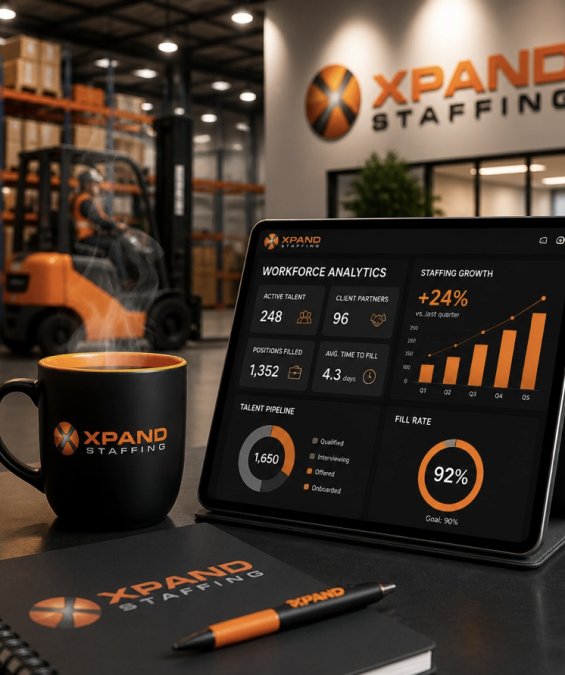
Stage one is knockout questions in your applicant tracking system: availability, work authorization, license or certification, and willingness to complete a background check. Stage two is a brief phone or video screen built from two lists:
- Qualifying questions that confirm the must-haves
- Disqualifying questions that surface deal-breakers early
Ask every candidate the same questions in the same order, and score answers against a simple rubric, such as 1 to 5 on each must-have. Skills assessments help for roles with a clear pass/fail element, like typing speed for call center work or a basic equipment check for warehouse roles; keep them short and tied to the job.
Step 5: How to Speed Up the Hiring Process Without Cutting Corners
The way to speed up the hiring process is to remove waiting, not checks. Most delay sits in scheduling, approvals, and handoffs, not the evaluation itself.
Practical ways to compress time to hire:
- Batch interviews: schedule group sessions for the same role instead of one-off slots
- Decide same-day: give hiring managers a fixed window to review and respond
- Pre-agree offers: set pay bands and approval limits before the first interview
Structured interviews with consistent questions keep speed from turning into sloppiness. A short, standardized interview beats a long, improvised one every time.
Measure time to fill from requisition approval to accepted offer, and time to hire from application to start date. Track both, because one can improve while the other quietly gets worse.
Step 6: Track High-Volume Hiring Metrics That Matter
High-volume hiring metrics tell you whether your process is getting faster, cheaper, or better, and which of the three is slipping. Pick a small set and review them weekly during peak periods. But a list of metrics is not a plan: most teams track numbers without a funnel model that shows where applicants are actually lost.
Build a measurable funnel with stage targets
A working high-volume funnel has five stages, each with a conversion target and a time limit. Set your own baselines in the first two cycles, then tighten them. A common pattern among teams filling frontline and support roles:
| Funnel Stage | What to Measure | Typical Target Range | Time Limit |
|---|---|---|---|
| Application started → submitted | Form completion rate | 60-80% | Same session |
| Submitted → screened | Screening pass rate | 40-60% | 24-48 hours |
| Screened → interviewed | Interview show rate | 70-85% | 3-5 business days |
| Interviewed → offer | Offer rate | 25-40% | 1-2 business days |
| Offer → start | Offer acceptance rate | 80-90% | 7-14 days |
These ranges are not universal. A warehouse role with a clean background check requirement will screen out more applicants than a call center role with no license requirement. The point is to set a target for each stage, measure against it, and fix the stage with the widest gap first.
The four metrics that actually move the needle
Most teams track too many numbers and act on none. Narrow to four:
- Time to fill: days from requisition approval to accepted offer. This is the number hiring managers feel.
- Time to hire: days from application to start date. This is the number candidates feel, and it drives drop-off.
- Stage conversion rate: the percentage of applicants who move from one stage to the next. This is where you find the bottleneck.
A simple recruiter-capacity model
Before you decide what to automate or outsource, calculate how many screens one recruiter can realistically complete per day. A common planning assumption is 20-30 phone screens per recruiter per day for short, structured screens of 10-15 minutes each, plus scheduling and follow-up. That math, not a gut feeling, should drive the decision to hire, automate, or bring in a staffing partner.
Watch for the metrics that hide problems
Rising application volume can look like progress while screening efficiency falls and time to hire climbs. Review the funnel as a whole. If applications are up but first-90-day retention is down, your postings are attracting the wrong people. If time to fill is flat but time to hire is rising, the delay has moved downstream into onboarding or start-date scheduling.
Step 7: Standardize Workflows and Protect Candidate Experience at Scale
Standardized workflows are documented, repeatable processes for each stage of hiring, from posting to onboarding, so results don’t depend on who happens to be working that day.
Document each stage with an owner, a time limit, and a definition of done. Then protect the candidate experience at scale:
- Send a status update at every stage, even a rejection
- Keep mobile applications fast and simple
- Offer accessible formats for assessments and interviews
Fairness and compliance belong in the workflow, not in a policy binder. Use the same questions, the same rubric, and the same criteria for every applicant. Keep records of screening decisions. That protects candidates and your company alike.
Automated screening can quietly introduce bias if knockout criteria aren’t tied directly to the job. Review your disqualifying questions every quarter and remove anything that isn’t a genuine must-have.
When to Bring in a Staffing Partner for High-Volume Roles
Bring in a staffing partner when your recruiter capacity, sourcing reach, or speed requirements exceed what your internal team can handle, especially during seasonal spikes or sudden volume changes.
Signs it’s time to call one:
- Vacancies sit open for weeks while production or service levels suffer
- Your HR team is small and already stretched
- You need pre-screened industrial, call center, or warehouse staff quickly
This is where Xpand Staffing fits. We mirror your existing hiring process so new talent integrates cleanly, and we offer flexible models including temporary, temp-to-staff, and direct hire.
If your team is spending more time chasing candidates than managing the work, a partner can carry the administrative load while you keep control of the standard.
Frequently Asked Questions
What is high-volume hiring?
High-volume hiring is the process of filling many similar roles in a short window, such as seasonal call center seats, warehouse shifts, or production lines. It differs from standard recruiting because the applicant pool is large, timelines are tight, and consistency matters more than deep one-off evaluation. Success depends on a repeatable process: clear role requirements, structured candidate screening for high-volume hiring, and metrics like time to fill and offer acceptance rate. Without standardization, quality drops as volume rises.
How can you speed up the hiring process for multiple positions?
Batch the work instead of running roles one at a time. Group sourcing sessions, preset interview blocks, and automated scheduling cut days of back-and-forth. Use structured screening with a short set of qualifying and disqualifying questions so recruiters can move strong applicants forward quickly. Set a service-level agreement with hiring managers for feedback within 24 hours. Track time to hire weekly and fix the slowest step first. A staffing partner can also pre-screen candidates so you interview only people who already meet the must-have qualifications.
How do you maintain candidate quality when hiring at scale?
Use the same evaluation rubric for every applicant, ask consistent questions in structured interviews, and score answers before discussing candidates with the hiring manager. Add a short skills assessment or pre-hire assessment tied to the actual job tasks. Define must-have qualifications up front and disqualify early rather than late. Review a sample of rejected applicants each month to catch screening errors. Quality at scale comes from standardized workflows, not from hiring faster with looser standards.
How can staffing agencies help fill high-volume roles?
A staffing agency keeps a pool of pre-screened candidates and can mirror your existing hiring process, including background checks, shift patterns, and role-specific screens. That means new hires arrive ready for your environment instead of starting from zero. Agencies also absorb payroll and administrative work for temporary staff and support flexible models such as temp, temp-to-hire, and direct hire. For seasonal spikes or hard-to-fill shifts, this shortens the gap between an open seat and a productive employee. Ask upfront about certifications, screening steps, and fill timelines.
Filling high-volume roles is a process problem before it’s a people problem. Tighten your role requirements, standardize screening, and measure what matters, and the volume stops feeling overwhelming. When you need pre-screened candidates who can start fast, Xpand Staffing can mirror your process, handle payroll and admin, and scale your workforce up or down as volume shifts. Request staff and get your next hiring wave moving.






